
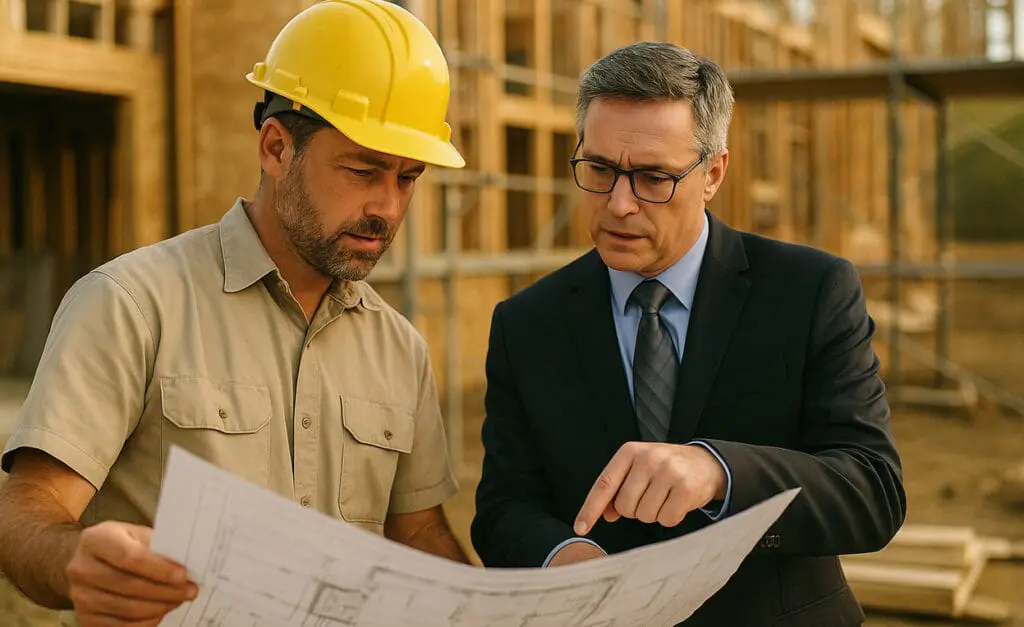
Construction doesn’t run on guarantees. One day things go smooth. The next? Something breaks, someone’s hurt, or the weather shuts you down. That’s why having solid insurance isn’t just a requirement. It’s protection you actually use.
If you’re a contractor, solo or with a team, insurance isn’t a box to check. It’s what helps you keep going when the job doesn’t go as planned.
The Main Coverage Most Contractors Start With
Let’s start with the basics. No two jobs are the same, but certain risks show up over and over.
General liability is the usual starting point. Say a client trips on-site. Or a power tool damages a wall. This policy helps cover legal bills, repairs, or medical costs. Without it, you’re exposed, and a small incident can snowball fast.
Then there’s workers’ comp. Required in most states if you’ve got employees, but even if you don’t, some clients won’t work with you unless it’s on paper. It covers job-related injuries. Think broken bones, time off work, hospital visits. Things you don’t plan for but can’t ignore.
And don’t forget about commercial auto. Personal car insurance? That won’t cut it if you’re hauling tools or meeting clients at job sites. If your truck’s tied to your work, it needs its own policy.
Certain contractors need professional liability too. That covers design advice, consultation, or project planning gone wrong. If a client claims your advice caused a problem, this is the coverage that steps in.
Builder’s Risk, Tools, and the Rest of It
If you’re working on something that’s not finished yet, new builds, remodels, whatever the job, builder’s risk insurance helps protect the structure before it’s handed off. Fire. Theft. Weather. It’s there for that messy in-between phase.
Tool and equipment insurance is another big one. You lose a tool trailer? That’s not just a delay. That’s money lost and time wasted. This coverage helps you replace what you need without draining your cash flow.
Some policies don’t protect tools left overnight or in vehicles, so double-check how yours works. Not all are built the same.
Why Surety Bonds Come Up So Often
You’ll hear about these on public projects or when bidding on big jobs. A surety bond isn’t insurance in the traditional sense, it’s a promise. A way to show you’ll finish the job or the client gets their money back.
It adds credibility. And for some contracts, it’s mandatory.
Every Business Has a Different Risk Setup
Don’t just copy someone else’s policy. A residential remodeler and a highway contractor don’t have the same risks.
Ask yourself: Do I work in occupied homes? Do I drive between multiple sites every day? Do I hire subs? The answers shape the coverage you need.
Also, certain clients set their own requirements. You might get the job, but only if you hit their minimum coverage threshold. It’s better to know that upfront than scramble mid-negotiation.
Bundling Policies Isn’t Just About Savings
A lot of insurers offer packages that combine your main policies into one file. You might see names like BOP (Business Owner’s Policy) or Contractor’s Package.
Besides possible discounts, this setup helps you stay organized. One bill. One renewal date. Less paperwork floating around when something goes wrong.
If you’re unsure what you qualify for, talk to someone who handles contractor coverage regularly. A good agent will break it down, not bury you in terms.
Read the Fine Print Before You Sign
This part gets skipped a lot. Don’t just look at the price. Look at what’s excluded. Look at the coverage limits. What’s the deductible?
Some policies won’t cover subcontractor mistakes. Some cut off coverage when you’re working after hours. Others won’t protect gear left in a locked truck overnight. Those details matter.
If you’re doing bigger jobs, storing materials off-site, or coordinating with multiple teams, gaps in coverage can cost you.
When Insurance Becomes More Than a Safety Net
Look, accidents happen. That’s not a dramatic line, it’s reality. One injured worker. One broken water line. One tool van that doesn’t show up in the morning.
With coverage, those things are setbacks. Without it, they can become something that stops your business cold.
Insurance isn’t just for peace of mind. It’s what keeps your crew working, your timeline intact, and your reputation protected when something unexpected hits.
If you haven’t checked your policy in a while, or if you’re just quoting bigger jobs, this might be a good time to make sure the coverage fits how you actually work. Take a look at how contractor insurance can be built around your tools, your team, and your job site.